The Homeowner’s Handbook to Landscape Maintenance Success
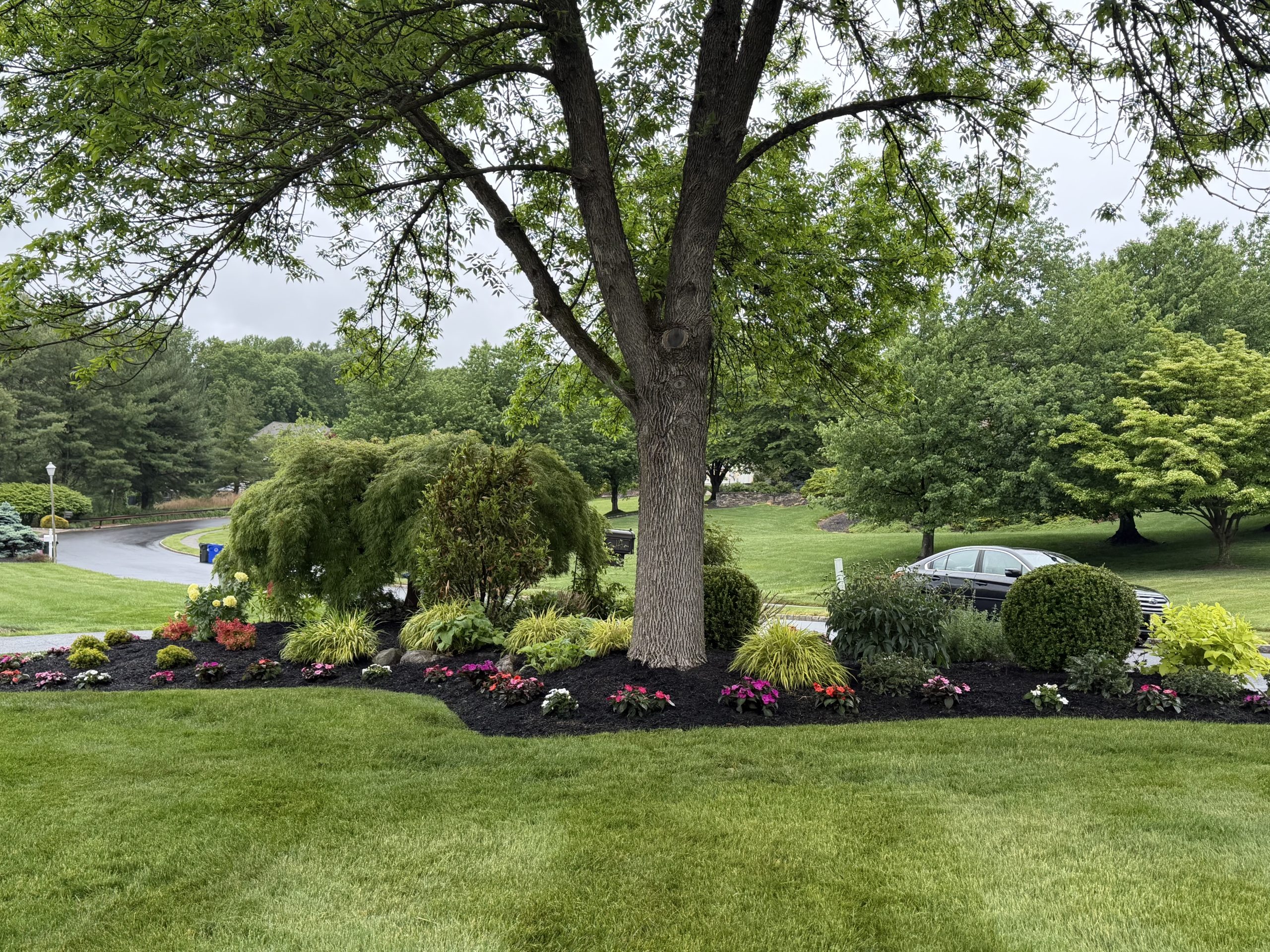
A well-kept yard rarely happens by accident. It is usually the result of dozens of small decisions made at the right time, from how closely the lawn gets cut in July to whether that young maple gets watered deeply after a dry week in September. Good landscape maintenance is not glamorous work, but it is the difference between a property that settles into maturity and one that always seems to be recovering from stress.
Homeowners often think of landscaping in terms of installation. They picture fresh sod, a new patio, neatly spaced shrubs, maybe a row of ornamental grasses moving in the wind. The harder truth is that installation is the easy part. Maintenance is what protects the investment. A handsome front bed can decline in a single season if irrigation is off, mulch is piled against trunks, or pruning happens at the wrong time. On the other hand, even a fairly simple yard can look polished and established when routine care is steady and sensible.
The best maintenance plans are not complicated. They are consistent. They respect the site, the climate, the soil, and the amount of time the homeowner can realistically give. If there is one lesson experienced gardeners and landscape professionals learn early, it is this: the goal is not perfection. The goal is resilience.
What landscape maintenance really means
Many people hear the phrase "Landscape Maintenance" and think only of mowing and trimming. That is part of it, but a healthy landscape depends on a wider set of tasks working together. Lawn care, planting bed upkeep, irrigation management, pruning, fertilization, weed control, seasonal cleanups, pest observation, and soil improvement all belong in the same conversation. If one of those areas is neglected, the others have to work harder.
Take watering as an example. A homeowner might fertilize properly and mow at the right height, yet the lawn still struggles because the irrigation system is delivering too little water in some areas and too much in others. Or a row of shrubs may suffer repeated disease issues that look mysterious until someone notices the mulch layer is six inches deep and packed against the stems, holding too much moisture where it should not.
Landscape maintenance is not a collection of isolated chores. It is a system. Once homeowners start seeing it that way, the yard becomes easier to manage.
Start with the site you actually have
One of the most common mistakes I see is maintaining a yard according to a generic schedule rather than the yard’s actual conditions. Two homes on the same street can need very different care. A south-facing front lawn with full sun and reflected heat from the driveway will dry out faster than a backyard shaded by mature oaks. A newly built subdivision lot with compacted clay behaves differently from an older property with richer soil and established root zones.
Before adjusting anything, it helps to answer a few practical questions. Where does water collect after rain? Which sections bake in afternoon sun? Where do plants consistently underperform? Which beds are easy to reach with a hose and which ones are forgotten until plants start wilting? These observations matter more than copying what works at a neighbor’s house.
Soil deserves special attention. Most maintenance problems show up above ground, but many begin below it. Compacted soil restricts root growth and reduces oxygen availability. Poor drainage invites root rot. Extremely sandy soil sheds water too quickly. If a landscape always seems thirsty or chronically stressed, the issue may not be the plants themselves. It may be the growing medium they were asked to survive in.
A basic soil test can save a lot of wasted effort. It tells you whether pH is out of range and whether nutrients are actually deficient. Without that information, fertilizing often turns into guesswork.
The lawn sets the tone, but it should not consume the whole strategy
Lawns draw attention because they occupy so much visual space. When the grass looks rough, the whole property looks rough. But homeowners also tend to overmanage turf in ways that create more work later.
Mowing is a perfect example. Cutting grass too short may deliver a temporary tidy look, yet it weakens the plant, exposes the soil to heat, and invites weeds. In most home landscapes, a slightly taller lawn is healthier and more forgiving. It shades its own roots, holds moisture longer, and competes better with crabgrass and other opportunistic weeds. The exact height depends on the grass type, but scalping is almost always a mistake.
Sharp mower blades matter more than many people realize. A dull blade tears the grass instead of cutting it cleanly. That frayed tissue loses moisture and develops a pale, ragged look within a day or two. If you have ever mowed and then wondered why the lawn still looked tired, the blade was likely part of the problem.
Watering turf deeply and less often is usually better than daily light sprinkling. Frequent shallow watering encourages shallow roots, which leaves the lawn more vulnerable when temperatures climb. A deep soak, timed well, helps roots chase moisture downward. Early morning is generally the best window because less water is lost to evaporation and foliage has time to dry.
Even here, judgment matters. A newly seeded lawn needs a different approach than an established one. So does turf growing on a windy slope compared with turf in a low, sheltered area. Good maintenance is always a matter of response, not routine alone.
Planting beds reveal the quality of care
Flower beds, foundation plantings, and mixed shrub borders tell a more detailed story than the lawn. They reveal whether a homeowner or maintenance crew is watching closely. Weeds tucked around perennials, volcanoes of mulch around trees, sheared shrubs with dead interiors, and crowded plant groupings are signs that the work may be happening, but the thinking is not.
Mulch is one of the best tools in landscape maintenance when it is used correctly. It moderates soil temperature, suppresses weeds, and slows evaporation. But more is not better. In most situations, a layer around two to three inches is enough. Piling mulch high against trunks and stems can trap moisture, encourage rot, and create hiding places for pests. It is one of those mistakes that looks neat from the curb and does damage over time.
Weed control also benefits from strategy. Pulling weeds after they have seeded is far less effective than preventing them from gaining a foothold. Dense planting, proper mulching, and attention to irrigation all reduce weed pressure. A thin, thirsty bed is an open invitation to opportunistic growth.
Perennials need a different style of maintenance than shrubs. They often benefit from deadheading, selective division, and occasional rejuvenation. Shrubs, by contrast, usually need restraint more than constant cutting. Many homeowners shear shrubs into stiff domes because it creates an instant sense of order. The trade-off is long-term density on the exterior and thinning wood inside, which eventually leaves plants dependent on constant trimming to look presentable. Selective pruning preserves a more natural shape and often results in stronger structure.
Water is where many landscapes succeed or fail
Irrigation problems are expensive because they damage the landscape slowly and silently. Overwatering is at least as common as underwatering, and in some climates it is the faster route to decline. Plants stressed by too much water often look similar to plants stressed by too little. Leaves yellow, growth slows, and roots weaken. Homeowners then add more water, which compounds the issue.
The most reliable approach is to water according to weather, soil, plant maturity, and exposure. New trees and shrubs need regular deep watering while their root systems establish. Mature plantings usually need less frequent intervention, especially if they are well matched to the region. Lawns often demand the most supplemental water, which is one reason many modern landscapes reduce turf area in favor of adapted plantings.
If you use an irrigation system, walk it periodically while it runs. This simple habit catches broken heads, misdirected spray patterns, clogged nozzles, and zones that are oversaturating one section while missing another. I have seen homeowners pay higher water bills for months because one rotor was spraying the driveway and another was flooding the same bed every other morning.
Rain sensors and seasonal controller adjustments help, but they do not replace observation. Landscapes change as trees grow, shade increases, roots spread, and plant masses fill in. A system that was calibrated well three years ago may now be delivering too much or too little to the same area.
Pruning is less about neatness and more about plant health
Pruning intimidates many homeowners, and with good reason. A poor cut can spoil the shape of a tree for years or remove flower buds before the season starts. At the same time, avoiding pruning altogether can create crossing branches, poor air circulation, and weak structure.
The key is knowing why you are pruning. If the goal is health and structure, the cuts tend to be more selective and thoughtful. If the goal is quick uniformity, the cuts are usually broader and less beneficial. Timing matters too. Spring-flowering shrubs often bloom on old wood, so heavy pruning at the wrong time can erase the season’s display. Summer-flowering shrubs are generally more forgiving.
Trees deserve special caution. Removing dead, damaged, or rubbing limbs is one thing. Aggressive canopy reduction by an untrained homeowner is another. Improper cuts can leave large wounds, invite decay, and destabilize the tree’s architecture. Mature trees are too valuable to treat casually. When limbs are large, overhead, or structurally significant, certified professional help is usually worth every dollar.
One practical rule serves homeowners well: prune with purpose, not just because the trimmers are already out.
Fertility should support growth, not force it
Fertilizer is often treated like a cure-all. Plants look weak, so they get fed. Grass loses color, so more nitrogen goes down. Sometimes that helps. Often it creates soft, excessive growth that requires more mowing, more pruning, and more water, while doing little to fix the underlying issue.
Healthy soil produces steadier results than heavy-handed feeding. Compost, proper mulching, and thoughtful watering build conditions that let roots function well. Fertilizer then becomes a supplement rather than a rescue measure. For lawns, trees, and shrubs alike, the better question is not "What can I add?" But "What is missing from the environment?"
The answer might be organic matter. It might be better drainage. It might be reduced competition from nearby roots. It might simply be patience. Newly installed landscapes often go through an establishment period where growth appears slower than expected. Not every pause in vigor means deficiency.
A seasonal rhythm keeps work manageable
Most homeowners do better with a yearly rhythm than with a vague intention to "keep up with the yard." The point is not to create a rigid calendar that ignores weather. The point is to know what each season tends to demand so nothing important sneaks up on you.
- Spring is the time to inspect winter damage, refresh mulch where needed, edge beds, prune selectively, and get ahead of weeds before they mature.
- Summer puts pressure on irrigation, mowing habits, and pest observation, especially during stretches of heat and humidity.
- Fall is ideal for many planting projects, lawn repair in suitable regions, leaf management, and deep watering of trees before the ground cools.
- Winter is quieter, but it is the right season to assess structure, plan upgrades, clean tools, and schedule dormant pruning when appropriate.
This rhythm matters because the consequences of delay are rarely equal. Missing a week of mowing in a rainy stretch is inconvenient. Missing the proper window to seed, prune, or correct irrigation can affect the landscape for months.
The biggest maintenance mistakes homeowners make
Most landscape failures are not dramatic. They are accumulations of small habits that steadily work against the property. The good news is that once these patterns are recognized, they are usually correctable.
- Watering too often and too shallowly, which trains roots to stay near the surface.
- Planting without regard to mature size, then relying on constant pruning to control growth.
- Overmulching around shrubs and trees, especially against trunks and stems.
- Treating every yellow leaf as a fertilizer problem rather than checking drainage, soil, or root stress.
- Letting minor issues linger, such as a broken sprinkler head or a patch of disease, until they become costly repairs.
The thread running through all five is impatience. Homeowners want quick visual fixes, but the yard responds best to steady, moderate care.
When to do it yourself and when to hire help
There is no prize for handling every landscape task alone. Smart homeowners decide where their time and skill produce the best return. Routine mowing, hand weeding, deadheading, basic mulching, and watering management are often reasonable do-it-yourself tasks. So are simple seasonal cleanups if the property is not too large.
Specialized work is different. Large tree pruning, drainage correction, irrigation redesign, disease diagnosis, and major lawn renovation usually benefit from professional expertise. Not because homeowners cannot learn, but because the cost of getting it wrong can exceed the cost of hiring well.
There is also a middle ground that works well for many households. A homeowner handles weekly upkeep but brings in a professional once or twice a year for pruning, system inspection, and a broader health assessment. That approach often catches problems before they become expensive.
If you do hire a company, look for signs that they think beyond appearance. Anyone can make a yard look trimmed for a day. Better providers ask about soil, exposure, irrigation, drainage, and plant performance over time. They explain why they recommend a practice, not just what they plan to do.
A realistic budget beats a neglected investment
Landscape maintenance costs are easy to resent because they feel ongoing. Yet deferred maintenance almost always costs more. Replacing dead shrubs, regrading a soggy lawn, removing a damaged tree, or renovating an overgrown foundation bed is far more expensive than basic care.
A practical budget should cover the predictable work first. That includes mowing or cutting, mulch, seasonal cleanup, irrigation checks, and pruning. Then leave room for the less predictable items, such as plant replacement after an unusually severe winter or a dry spell that demands extra watering. For homeowners who prefer a more finished look, annual color and detailed bed care can be added, but those are style choices, not the foundation of landscape health.
One useful https://rafaelmzkt780.theburnward.com/landscape-maintenance-for-rental-properties-and-hoas shift in mindset is to treat the yard like any other part of the property that protects value. Roofs need inspection. HVAC systems need service. Landscapes need maintenance. Neglect is still a cost, even when the invoice arrives later.
Success comes from attention, not intensity
The healthiest residential landscapes are not always the most elaborate. They are the ones someone pays attention to. A homeowner notices that one bed stays wet longer than it should. They spot early insect damage before it spreads. They realize a shrub is straining its space and move it while it is still manageable. They sharpen the mower blade before the lawn starts looking shredded. None of those actions are dramatic. Together, they shape the property.
That is the real heart of landscape maintenance. It is not a war against nature or a quest for showroom perfection. It is ongoing stewardship. The yard changes, the weather shifts, plants mature, and maintenance practices adapt with them. Homeowners who embrace that process usually find their properties becoming easier, not harder, to care for over time.
A good landscape does not ask for constant rescue. It asks for informed, timely care. Give it that, and it rewards you in the ways homeowners notice every day, a healthier lawn underfoot, stronger trees overhead, cleaner lines at the foundation, fewer surprise expenses, and a property that feels settled, intentional, and alive.
Majestic Mowing & Landscaping LLC
Phone number: +19733975532
FAQ About Landscape Maintenance
What is landscape maintenance?
Landscape maintenance is the ongoing care, cleaning, and upkeep of outdoor green spaces to keep them healthy, safe, and attractive.
Is $100 an hour too much for landscape work?
An hourly rate of $100 is not too much for specialized or professional landscape work, though it sits at the higher end of the standard pricing spectrum.
How much do landscapers charge for maintenance?
For professional landscaping maintenance, homeowners typically pay $100 to $410 per month for recurring services, or an hourly labor rate of $50 to $100 per hour per crew member.